Hunting Radio in Practice – Frequency Bands, Pilot Tone, and Scrambler
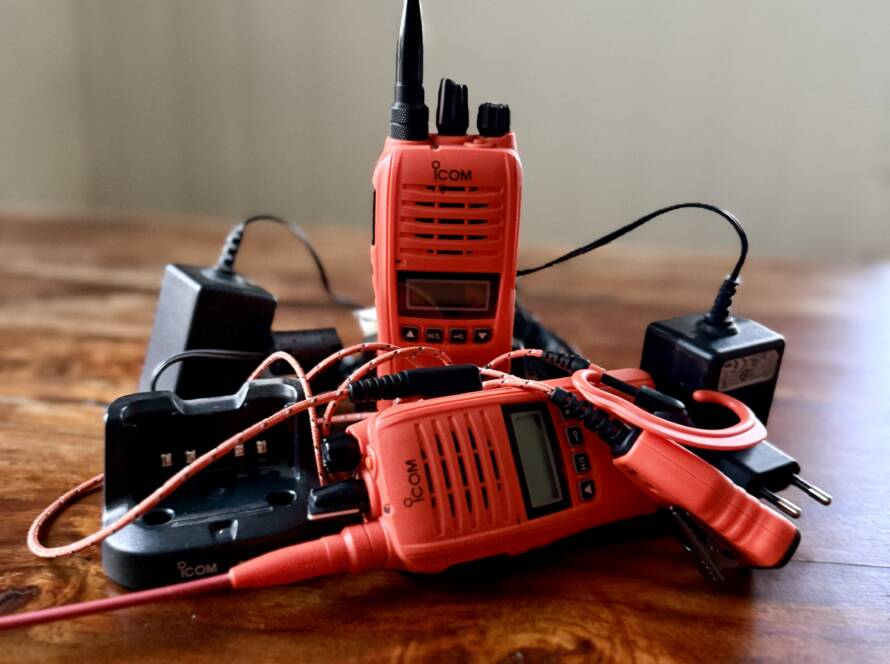
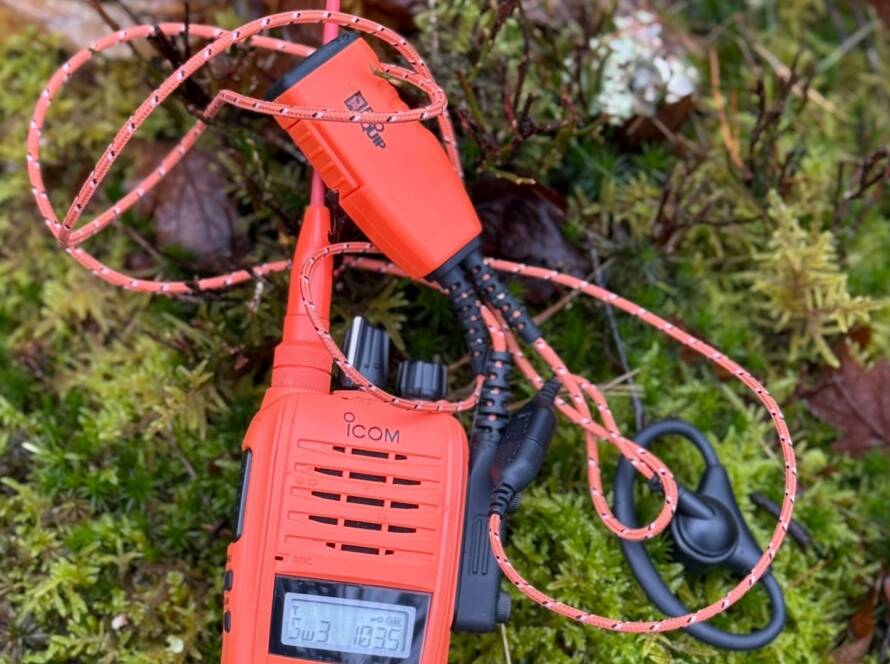
Effective communication is an essential part of a safe and well-organized hunt. Whether you hunt on your home turf or participate in one of the hunts that the Swedish Hunting Club offers around the country, the hunting radio is one of our most important tools in the field.
In this guide, we go through the basics of hunting radios, the frequency bands used in Sweden, and how pilot tones and scramblers work in practice. The purpose is to give you, as a member, better conditions to be well prepared for the hunt.
Frequency Bands for Hunting in Sweden
In Sweden, the use of radio transmitters is regulated by the Swedish Post and Telecom Authority (PTS). Generally, a permit is required, but certain frequency bands are exempt and permitted for hunting, among other things. For us hunters, there are primarily two bands that are relevant: 31 MHz and 155 MHz.
31 MHz – Robust Communication Over Large Areas
Frequency range: 30.925 – 31.375 MHz
Number of channels: 40 analog channels (10 kHz)
Max output power: 5 W
Fixed transmitters: Permitted
Use: Land mobile radio (not exclusively for hunting)
The 31 MHz band is often used for hunting in larger areas and in difficult terrain, where the need for longer range is great. The band is well-proven and provides stable communication even where mobile telephony is lacking.
155 MHz – Hunting’s Dedicated VHF Band
Frequency range: 155.3875 – 155.5375 MHz
Number of channels: 6 analog channels (25 kHz)
Max output power: 5 W
Mobile transmitters only
Reserved for: Agriculture and forestry as well as hunting
The 155 MHz band generally offers better sound quality and is used with shorter antennas, which makes the equipment easier to carry during the hunting day.
🔔 Please note:
Radios operating on 31 MHz and 155 MHz cannot communicate with each other. When hunting with the Swedish Hunting Club, the hunt leader always informs participants which frequency band applies.
Pilot Tone (CTCSS) – For Clearer Radio Traffic
When hunting in areas with many active hunting teams, it is common for several to use the same channel. This can lead to interference that is both annoying and risks important messages being missed.
To reduce this, a pilot tone—also known as CTCSS (Continuous Tone-Coded Squelch System)—is used. This function means that the radio transmits a low, inaudible tone that the receiver must recognize in order to open the audio. Only radios with the same pilot tone can hear each other.
Advantages of pilot tone:
Less interference from other hunting teams
Clearer communication within the team
Experienced as an “own” channel despite shared frequency
It is important that all participants know how to set the pilot tone on their own radio.
Many hunts are unnecessarily delayed because someone is not familiar with the settings. Discovering this only once on site easily causes irritation within the team and takes valuable time away from the hunt itself—time everyone would rather spend in the forest than dealing with technical issues.
Pilot tones are standardized (67–254 Hz), which means that radios of different makes usually work together. The hunt leader decides whether a pilot tone should be used and which tone applies. If no pilot tone is used, it is called an open channel, for example “open three”.
⚠️ Important to know:
A pilot tone is not encryption. A radio set to an open channel can hear all traffic within range, regardless of pilot tone. In the event of simultaneous transmissions on the same channel, interference may also occur even if different pilot tones are used.
Scrambler – Limited Protection Against Eavesdropping
Some hunting radios are equipped with a so-called scrambler, which is sometimes referred to as encryption. This function distorts the audio, making it more difficult for outsiders to understand.
However, it is important to have realistic expectations:
Scrambler is often brand- or model-dependent
The protection is usually very limited
A compatible radio is often enough to eavesdrop
Some models have selectable keys, but even these are relatively easy to identify
Scrambler can be used to reduce unwanted eavesdropping, but should not be seen as secure communication.
Summary
A correctly set and well-functioning hunting radio contributes to both safety and hunting pleasure. By understanding how frequency bands, pilot tones, and scramblers work, we can together create better conditions for a safe and well-organized hunt.
Do you have questions about hunting radios before an upcoming hunt with the Swedish Hunting Club? Do not hesitate to contact the hunt leader in good time – good communication starts even before the hunt.